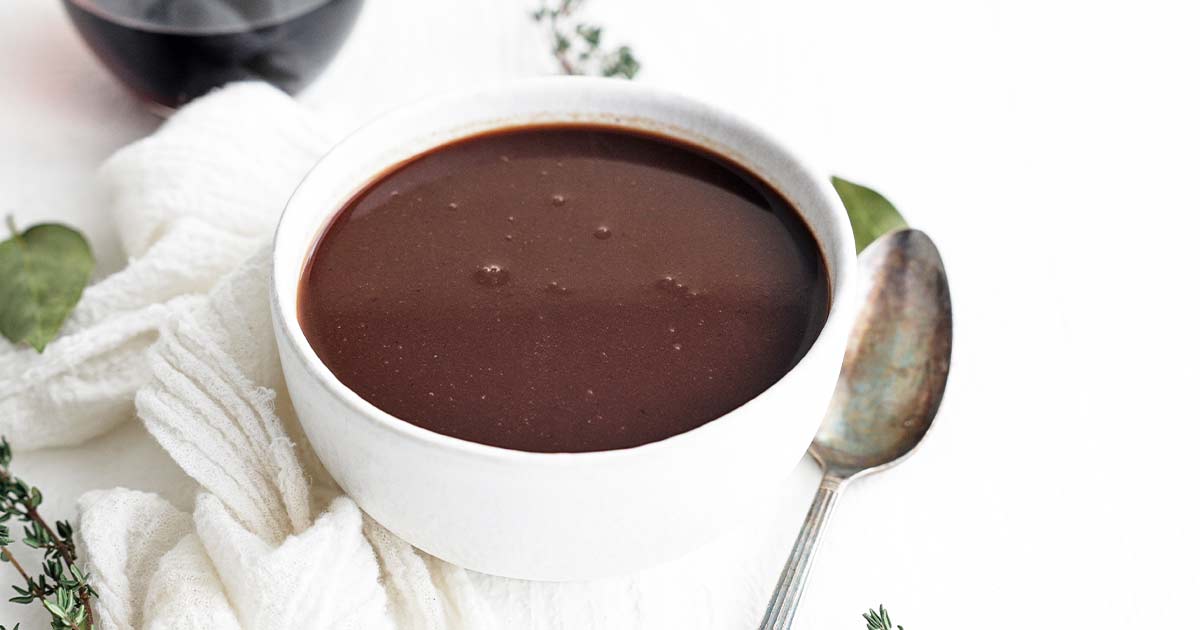
The Magic Behind a Velvety Red Wine Sauce
Imagine transforming an everyday meal into a gourmet experience with just one addition. That's the power of a classic French red wine sauce. Often perceived as a complex, labor-intensive culinary feat reserved for professional kitchens, this rich, buttery, and utterly divine creation is surprisingly accessible for any home cook. Its profound depth of flavor, reminiscent of a concentrated beef bourguignon, offers a velvety texture that effortlessly elevates everything from a perfectly seared steak to humble mashed potatoes. What's truly remarkable is that this luxurious accompaniment, which tastes like it took hours to develop, can be whisked together in about 20 minutes – most of which is unattended simmering!
This exquisite red wine sauce isn't just about adding liquid; it's about infusing your dishes with a symphony of flavors. It boasts bold notes of red wine, often complemented by aromatic garlic and shallots, and finished with a rich butter undertone. The secret to its incredible flavor development lies in a simple yet crucial technique: reduction. As the wine simmers, its alcohol evaporates, leaving behind intensely concentrated flavor compounds, acidity, and aroma that enhance, accent, and intensify your food in a way few other ingredients can.
The Foundational Flavor: Pan Juices and Deglazing
One of the most significant tips for achieving a truly exceptional red wine sauce is to make it in the same pan you’ve just used to cook your main protein – be it seared steak, roasted lamb, or pan-fried pork chops. Those browned bits stuck to the bottom of the pan, known as fond, are packed with incredible flavor. Deglazing the pan with wine is the process of loosening these flavorful remnants, dissolving them into the liquid, and integrating them into your sauce. This simple step is a game-changer, maximizing the residual flavors from your cooked meat and imbuing your sauce with unparalleled depth and richness.
Selecting the Perfect Red Wine for Your Sauce
The quality of your red wine sauce is intrinsically linked to the quality of the wine you choose. A fundamental rule of thumb in cooking with wine is this: if it isn't good enough to drink, it isn't good enough to cook with! Using a cheap or low-quality wine can lead to a rather bitter or unappealing sauce, as undesirable characteristics can become concentrated during reduction.
Recommended Wine Varieties and Characteristics
- Merlot: A fantastic choice, offering a medium body with soft tannins and fruit-forward notes that become beautifully enhanced in a reduction.
- Pinot Noir: Lighter-bodied and elegant, Pinot Noir lends delicate, fruity, and sometimes earthy notes, making it excellent for sauces paired with poultry or lighter meats.
- Chianti: This Italian red wine, typically made primarily from Sangiovese grapes, provides a pleasing acidity and savory character that works wonderfully in a red wine sauce.
- Cabernet Sauvignon: While often full-bodied, opting for a lighter-style Cabernet Sauvignon can provide robust fruit flavors without overpowering the sauce with too much tannin.
When making your selection, look for a red wine that is a little on the younger side, with lighter, fruitier notes. These characteristics are accentuated during the reduction process, resulting in a welcome brightness and complexity in your finished sauce. Avoid overly sweet wines, as this sweetness will also concentrate and can throw off the balance of your savory sauce. Similarly, steer clear of "cooking wines" often found on supermarket shelves, as they frequently contain added salt and preservatives that can negatively impact the flavor and texture of your gourmet creation.
Crafting Your Classic French Red Wine Sauce: The Art of Reduction
The journey to a rich, velvety red wine sauce is a straightforward one, built upon the principle of reduction. Here's how to master it:
- Aromatics First: Begin by sautéing finely diced shallots and minced garlic in a little butter or oil directly in the same pan you cooked your meat. This builds a foundational layer of aromatic flavor.
- Deglaze with Wine: Once your aromatics are softened, pour in your chosen red wine. Immediately scrape the bottom of the pan with a wooden spoon, dissolving all those flavorful browned bits (fond) into the wine. This step is crucial for depth!
- The Simmer and Reduce: Bring the wine to a gentle simmer over medium heat. This allows the alcohol to cook off and the liquid to slowly evaporate, concentrating the flavors. You're aiming for a noticeable reduction in volume, often by half or even two-thirds, until the sauce coats the back of a spoon. This process typically takes about 15-20 minutes, allowing you to focus on other aspects of your meal.
- Finishing Touches: Once reduced, remove the pan from the heat. Whisk in a knob of cold butter – this is key for achieving that classic velvety texture and rich gloss. A splash of balsamic vinegar can be added at this stage for a touch of tangy brightness that cuts through the richness and balances the flavors beautifully.
- Strain (Optional but Recommended): For an ultra-smooth, restaurant-quality sauce, you can strain it through a fine-mesh sieve. This removes any solids, resulting in a perfectly refined consistency.
Pro Tip: Taste your sauce as it reduces. This helps you understand how the flavors develop and allows you to adjust seasonings if necessary. Avoid rushing the reduction; a slow, steady simmer ensures the deepest, most complex flavors.
Beyond the Steak: Unlocking the Versatility of Red Wine Sauce
While the red wine sauce is a quintessential partner for a juicy steak, its versatility is truly boundless. Don't limit this gourmet delight to just beef!
- Meats and Poultry: It's exceptional with roasted lamb, seared duck breast, pan-fried pork chops, or even moist chicken breast. For lavish entrées, consider it with boneless prime rib or grilled filet mignon.
- Vegetarian Delights: Transform simple mashed potatoes into a decadent side dish. Drizzle it over roasted vegetables like asparagus or Brussels sprouts. It can even be a fantastic dipping sauce for crispy french fries or a flavorful accompaniment for tofu steaks, adding a sophisticated kick.
- Pasta and Grains: While not a traditional pasta sauce, a spoonful can enrich risottos or polenta, adding a complex umami depth.
This sauce truly has the power to transform any meal, turning ordinary components into something extraordinary with minimal effort.
Smart Tips for Storage and Serving
One of the beauties of this classic red wine sauce is its make-ahead potential. It keeps remarkably well, making it a perfect candidate for batch cooking.
- Refrigeration: Store leftover sauce in an airtight container in the refrigerator for up to 3 weeks. Its concentrated nature helps it maintain its quality.
- Freezing: For longer storage, this red wine sauce freezes beautifully. Portion it into ice cube trays for individual servings, or into larger containers, and freeze for up to 6 weeks. Simply thaw and gently reheat on the stovetop when you're ready to use it.
For a complete French dinner experience, serve your steak or chosen protein adorned with this luscious sauce alongside classic accompaniments. Think creamy gratin dauphinois, vibrant sautéed mushrooms, a delicate endive salad, or rich creamed spinach. And don't forget a crusty baguette – absolutely essential for wiping your plate clean and savoring every last drop of this divine red wine sauce. Bon appétit!
Conclusion
Mastering the classic French red wine sauce is a fundamental culinary skill that pays immense dividends. With just a handful of quality ingredients, a good bottle of wine, and a simple reduction technique, you can create a truly rich, velvety, and flavorful accompaniment that elevates almost any dish. From its ability to rescue everyday meals to its role in enhancing gourmet entrées, this versatile sauce proves that sophisticated flavors don't have to be complicated. So go ahead, uncork a bottle, and prepare to impress yourself and your guests with this exquisite, homemade culinary masterpiece.
